What Is a Waterproof Ground Sheet?
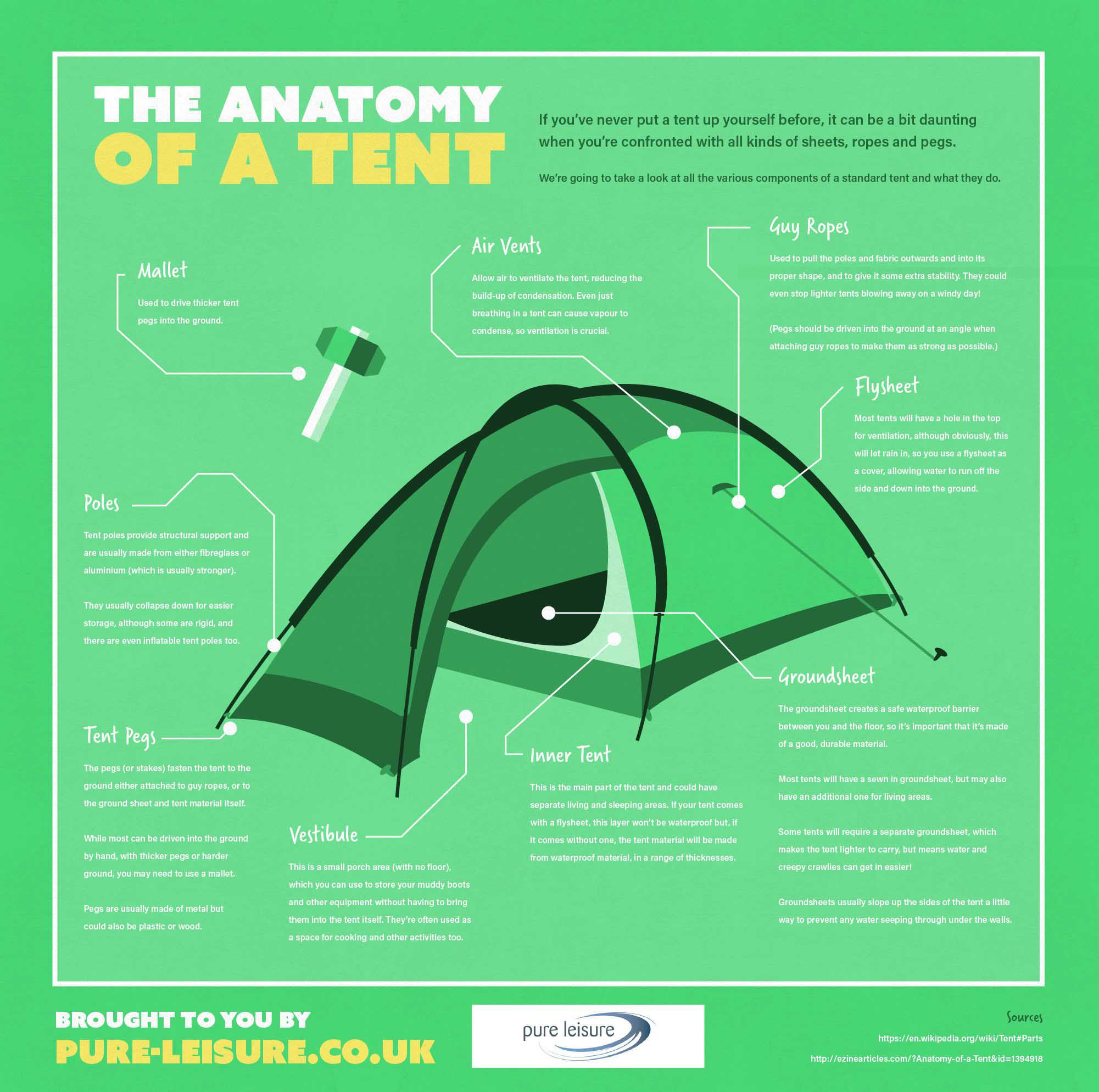
A water-proof ground sheet is a protective layer placed either below your outdoor tents or inside it on the flooring. Its primary job is to develop a barrier in between you and the ground, protecting against dampness, mud, and chilly from seeping upward. Consider it as a raincoat for all-time low of your shelter.
While many modern-day camping tents included a built-in groundsheet stitched into the base, a separate, exterior ground sheet includes an extra level of defense-- and can considerably extend the life of your outdoor tents's floor.
Why You Actually Required One
The ground is never as completely dry or tidy as it looks. Even on a clear summer evening, ground moisture rises, condensation forms, and early morning dew can work its means into materials gradually. Without a ground sheet, your outdoor tents floor takes the complete impact of this.
Right here's what a waterproof ground sheet protects against:
Moisture and Water Access
Rain does not simply fall from above-- it splashes up from the ground and saturates the dirt under your tent. A proper ground sheet with great water resistant rankings maintains that dampness from working through the tent floor and into your resting location.
Abrasion and Put on
Rocks, origins, and harsh terrain can slowly tear through camping tent floors with repeated usage. Placing a ground sheet underneath drastically minimizes rubbing and wear, shielding your outdoor tents's base and saving you from costly replacements.
Insulation from Cold Ground
Cold ground draws heat away from your body faster than cold air does. A ground sheet adds a layer of insulation that assists maintain heat, making your evening's sleep noticeably extra comfortable in cooler conditions.
Kinds Of Waterproof Ground Sheets
Not all ground sheets are developed equivalent. The right choice depends on how and where you're camping.
Polyethylene (Poly Tarp) Ground Sheets
These are one of the most inexpensive and widely offered choice. Polyethylene tarps are extremely waterproof, resilient, and easy to find. The downside is weight and mass-- they're not ideal for light-weight backpacking yet function well for cars and truck outdoor camping or celebrations.
Nylon Ground Sheets
Nylon ground sheets are lighter and much more packable than poly tarps, making them a prominent choice among backpackers. They're generally treated with a waterproof covering and provide a great balance between weight, durability, and performance.
Polycryo Ground Sheets
A favourite amongst ultralight walkers, polycryo (polycryolite) sheets are exceptionally light-weight and portable. They supply strong waterproofing for short trips but are much less durable than nylon or polyethylene over extended, rugged use.
Impact Ground Sheets
Impacts are custom-cut ground sheets created to match the precise shape of a specific tent version. Several camping tent suppliers market these as devices. While more expensive, they fit perfectly and don't expand past the camping tent borders-- a typical issue that can transport rainfall beneath if a ground sheet is as well large.
How to Choose the Right Ground Sheet
Dimension Issues-- However Not in the Method You Believe
Your ground sheet ought to be somewhat smaller than your outdoor tents's external impact. If it prolongs beyond the outdoor tents wall surfaces, rain can accumulate on the sheet and funnel below-- the precise problem you're trying to tents avoid. Aim for a ground sheet that rests just inside the camping tent boundary.
Take into consideration the Weight
For cars and truck campers and festival-goers, weight is hardly ever a concern. But if you're lugging every little thing on your back, every gram matters. Lightweight nylon or polycryo choices can weigh just 100-- 200 grams and load down to the size of a hand.
Inspect the Hydrostatic Head Rating
Waterproofing is gauged in hydrostatic head (HH) ratings-- the greater the number, the a lot more water pressure the product can hold up against before leaking. For ground sheets, seek a minimal score of 3,000 mm HH. Heavy rainfall or boggy ground problems warrant something more detailed to 5,000 mm or above.
Taking care of Your Ground Sheet
A ground sheet is only as good as the care you offer it. After each trip, get rid of dirt and particles, wipe it down with a damp towel, and allow it to completely dry fully prior to storing. Fold up or roll it loosely to prevent irreversible creasing, and store it far from direct sunlight, which can weaken water resistant finishes in time.
If you notice the waterproofing ending up being much less efficient, a straightforward wash and re-application of a DWR (Sturdy Water Repellent) spray can restore efficiency for a portion of the cost of a substitute.
Last Thoughts
A water resistant ground sheet is a tiny investment that pays dividends throughout every outdoor camping trip. It safeguards your outdoor tents, keeps you completely dry, includes warmth, and makes the whole exterior experience extra comfortable. Whether you choose a spending plan poly tarpaulin or a precision-cut impact, getting the ground beneath you arranged is always time well spent.